Admin software for construction

Everything around your subcontractors and your clients, from planning to signed work sheet

Afgetekend is built for construction companies that work with subcontractors. Your clients and your projects, the planning, your crew's paperwork, the hours that come in and the work sheets that follow from them. The subcontractor fills in their own hours through the portal, and the site manager signs on site.

Try it free for thirty days

No payment details needed. It stops by itself.

Already have an account? Go to the office app or go to the portal.
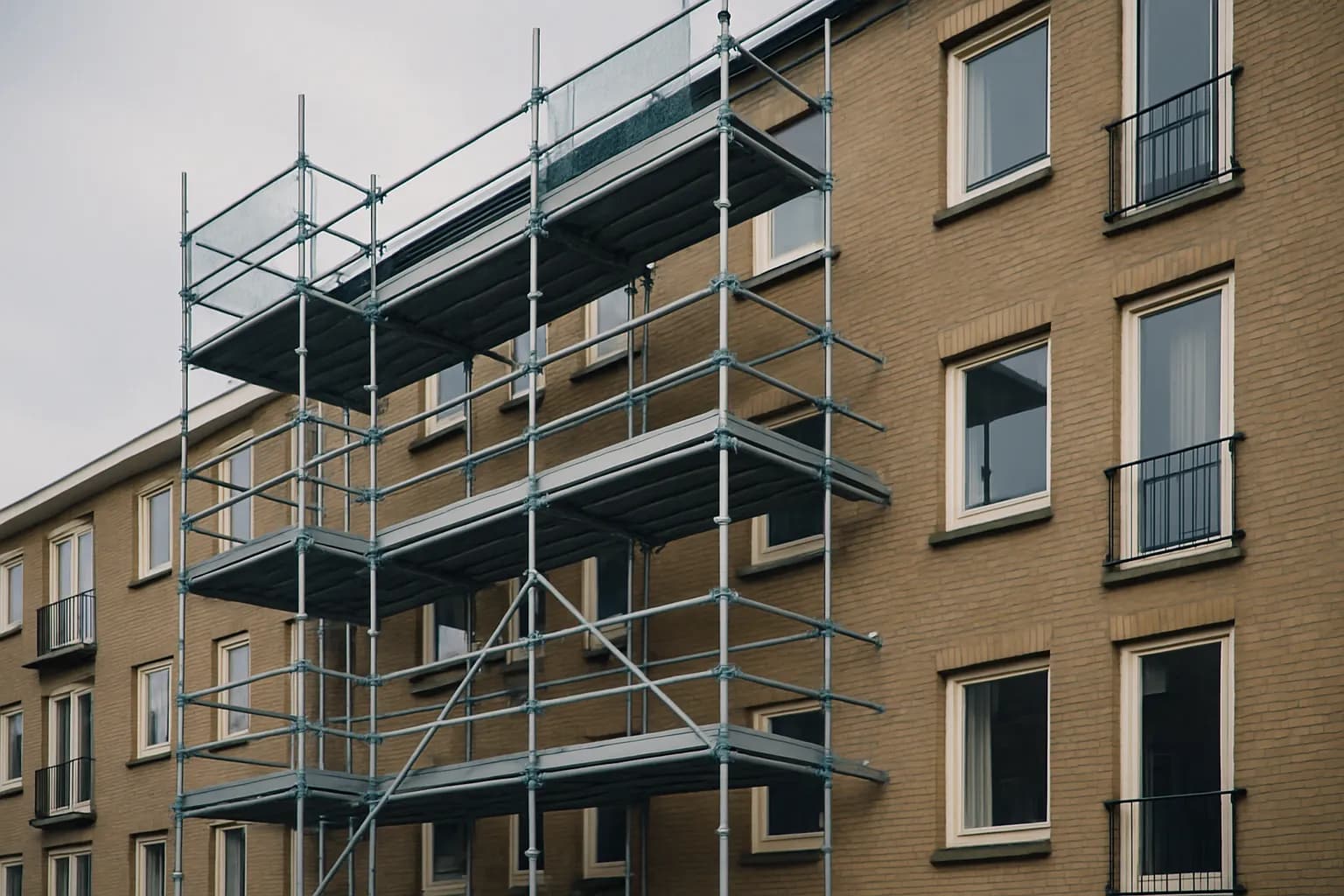
Scaffolding against the facade of a brick building in morning light

The modules

Everything that's in it, at a glance

What you now keep in loose lists and in your inbox lives here together. You take only what you use.

  • Signing work sheets

    Weekly and progress sheets built from your approved hours, signed on site or through a link in the mail.

  • Extra work

    Record extra work per day and turn it into a sheet that gets signed.

  • Hours and records

    The subcontractor fills in their week. You approve it, or send it back with a reason.

  • Workers and paperwork

    Your subcontractors and their people, with safety certificate, ID and company extract, and a heads-up before anything expires.

  • Planning

    A weekly schedule per client. With people by name, or with the subcontractor that supplies the crew.

  • Projects

    Your client, the main contractor, the duration and who is on it when.

  • Smart sharing

    Send your crew's details to a client, without hunting down scans.

  • Documents

    Drawings, contracts, insurance certificates and company extracts, stored where they belong.

  • Permissions and access

    Set per person what they may see, with a list of who logged in when.

Swipe sideways for all modules

Digital signing

Have your work sheet signed on site, or by mail

Paper sheets get lost, and three weeks later nobody remembers what was agreed. Here the site manager signs digitally, on site or from their own desk. After that everyone has the same sheet.

  1. 1

    Draw up the sheet

    The weekly or progress sheet is built from the hours and production you have approved.

  2. 2

    On site, or by mail

    If the site manager is standing next to you, they sign right away on your phone. If they're not there, you mail them a signing link. They see the same sheet and sign on their own screen.

  3. 3

    Everyone has it

    The signed sheet goes to you, to the site manager and, if you want, to a third party. It stays in the app.

Records in order

Never ask for the same details twice again

You know the drill. The same safety certificate sits three times in your inbox, nobody can find that one company's extract, and on Monday morning a fitter is sent back at the gate because their ID turns out to be expired. In Afgetekend every detail is stored once, with the person or the company it belongs to. And the app keeps an eye on the dates itself.

  • Entered once, by the one who knows

    The subcontractor puts their own details and those of their people in the portal. You never retype anything from an email, a text or last year's list.

  • Changes pass by you first

    New ID, different phone number, moved house. It arrives with you as a request and only really goes in once you approve it.

  • You see expiring paperwork coming

    Every document has a date. Safety certificate, ID, company extract, insurance certificate, model agreement, escrow account, contract. Two months before the expiry date the line turns amber. After that, red.

Planning

Who is where next week? One glance is enough

On the left are your clients, with underneath the main contractor that client works for and which project it is. On the right, the week. In the box you put who is there that day. This is how you build one.

  1. 1

    Put the project under your client

    You create the project, pick your client and fill in the main contractor that client works for. From then on the project shows up by itself in every week it runs.

  2. 2

    Make your own kinds of days

    Under Settings you define what kinds of days you have. Assembly, transport, inspection, dismantling. Each kind gets a colour, so the schedule shows you what happens that day.

  3. 3

    Put your people on each day

    Click a box and pick who is there. Your own people, or a subcontractor's crew. A note is fine too: crew starts at six at the gate.

  4. 4

    Look further ahead

    The year overview shows the same planning as bars. So you already see that in week 41 you have three projects running at once and nobody left over.

Smart sharing

Your client asks for your crew's details. It takes you a minute

It's Friday afternoon and they want to know before Monday who has to get through the gate. You used to gather scans and forward them. Now you tick who's coming and what you show of them. The other side doesn't need an account. They open the link and see it.

  • Mail

    Straight to the contact person at your client.

  • Link

    Copy it and paste it in an email or a text.

  • PDF

    For those who still want it in a folder.

And more

What else is in it

Eight things you use alongside it every day, without having to track them separately.

  • Extra work no longer gets lost

    An extra day, one more person, a project that overruns. The subcontractor records it per day and turns it into an extra-work sheet. They have it signed on the spot, or mail the site manager a link. It's settled before the discussion starts.

  • Hours you don't have to recheck

    The subcontractor fills in their own week. If something's off, you send it back with the reason. The correction is then on them, not on you.

  • Sheets that come from your own numbers

    The weekly sheet and the progress sheet are built from what you approved. Nothing to retype, nothing counted twice, no sheet that says something different from the record underneath.

  • All documents in one place

    Drawings with the project. Contracts with the client. Extracts and insurance certificates with the company. Everything belongs somewhere, and that's where it is.

  • Everyone sees what they're allowed to see

    You set permissions per person. Your planner manages projects and planning but sees no prices. Someone in the portal only sees their own details.

  • You know who has been in

    A list of who logged in, in the office and in the portal, newest on top. Handy when you wonder whether that subcontractor actually looked at it or not.

  • Works on the phone

    Nothing to install, no app store. The site manager signs on site on their own device and the subcontractor fills in hours from the van.

  • One list of activities and units

    You decide what you record on. Per metre, per tonne, per piece. On every project you pick from that same list, so you can lay projects side by side.

Swipe sideways for all eight

What it costs

You take what you use

Everything is a module. There are two ways to work with it, and you can always switch.

The standard version, fixed amount per month

Everything above, as it is. One amount per month for your whole company and you can get started right away. Don't like it? Then you stop.

Or only the modules you use, tailored

Don't work with extra-work sheets but do use planning? Then you take only that. What you take, we adapt to you. Your own fields, your own sheet, your own way of working.

Born in scaffolding, built for all of construction

Every trade works the same way. You have projects, you hire people in, the hours come in and someone has to sign. Whether you're in facade work or roofing, it works just as well.

  • Scaffolding
  • Facade work
  • Roofing
  • Installation
  • Finishing
  • Demolition and asbestos
  • Groundwork

Afgetekend wasn't dreamt up behind a desk. The way of working comes from the scaffold itself, and to a large extent from the years of hands-on knowledge of Pieter van der Most. Without his experience this app would have looked different.

Two entrances, one administration

Pick the app that's yours. They both work on the same data.

Office app
For the construction company itself. Your projects, your people, the hours that come in, the planning and your sheets.
Portal for subcontractors
For your subcontractors. They fill in their hours, see their sheets and keep their own details up to date.

Try it for thirty days, on your own projects

You put in your first project, invite a subcontractor and have the first sheet signed. Don't like it? Then it stops by itself.

Try it for free